
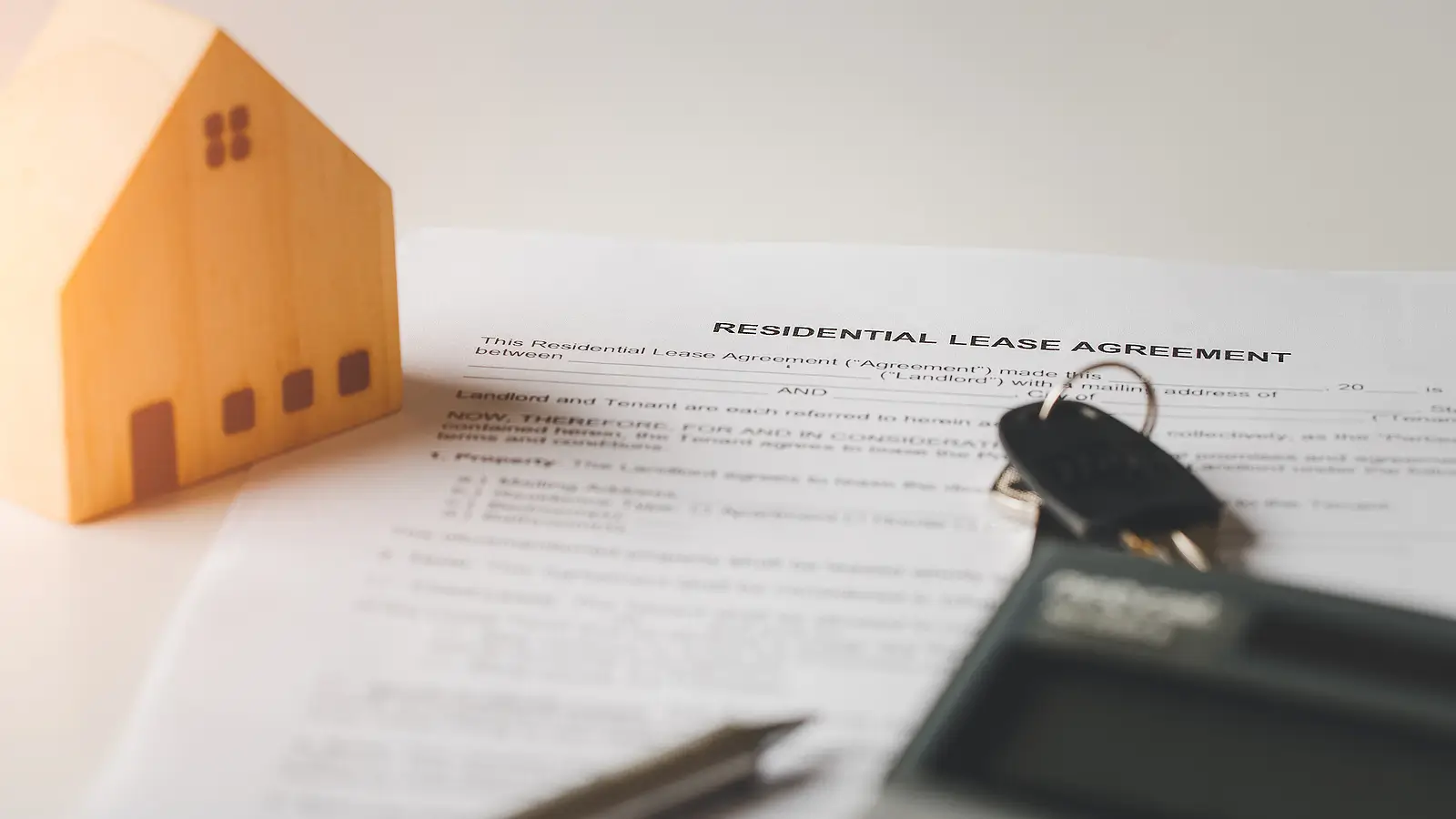
For landlords in Kansas, staying compliant isn’t just about collecting rent on time. It’s about ensuring your lease agreements meet current legal standards. With evolving Kansas landlord-tenant laws, outdated or incomplete disclosures can expose property owners to legal issues, eviction delays, or financial penalties. If you manage a single rental unit or a growing portfolio in Overland Park, KS, it’s essential to understand the lease disclosures required in Kansas. Doing so helps protect your investment and maintain healthy landlord-tenant relationships.
At SCUDO, we work closely with property owners to ensure their Kansas rental lease agreements align with the latest laws and best practices—so you can focus on growth, not compliance headaches.
Key Takeaways
Kansas law requires specific lease disclosures that landlords must provide before or at move-in.
Improper handling of security deposits is one of the most common legal pitfalls for landlords.
Clear terms around rent payments, late fees, and notice periods help prevent disputes.
Fair Housing Act compliance is mandatory at both the state and federal levels.
Updated leases reduce risks tied to eviction proceedings, lease termination, and unpaid rent.
Understanding Required Lease Disclosures in Kansas
If you’re unsure, you’re not alone. Many Kansas landlords rely on templates that do not reflect 2026 laws and regulations. A Kansas lease agreement is a legal contract that must clearly outline the rights and responsibilities of landlords and tenants, while also disclosing information mandated by Kansas law.
Landlords must inform tenants about critical elements related to the rental property, including who owns or manages it, how rent is paid, and how legal notices are delivered. Failure to provide proper disclosures can weaken your position in an eviction lawsuit or lead to claims of landlord harassment or bad faith.
Kansas Lease Agreement Essentials
A compliant Kansas rental lease agreement should clearly define:
Lease term (fixed term lease, month-to-month lease, or week-to-week lease)
Monthly rent amount and periodic rent paying date
Rules for paying rent, late rent fees, and any mandatory grace period
Responsibilities for property maintenance
Conditions for lease termination and renewal in Kansas
Whether you’re renting furnished units or unfurnished units, clarity protects both the property owner and Kansas tenants.
Security Deposit Requirements in Kansas
The security deposit is one of the most regulated areas under Kansas landlord tenant laws. Kansas law sets a maximum security deposit of:
One month’s rent for unfurnished units
1.5 months’ rent for furnished units
An additional pet deposit, if applicable
Landlords must hold the tenant’s security deposit and return it within the required timeframe after the lease ends, minus lawful deductions. If a landlord withholds funds, they must provide written notice detailing actual costs for damages or unpaid rent.
When a landlord fails to comply, tenants may seek help from Kansas legal services, putting landlords at risk of paying damages.
Paying Rent and Late Fees
Your lease agreement should spell out rent payments clearly. This includes:
Accepted payment methods
Due date and notice period for late rent
Policies for late fees (which must be reasonable and tied to actual costs)
Kansas does not impose statewide rent control, but excessive or unclear late rent fees can be challenged in court. A transparent rent policy helps avoid disputes over withhold rent claims or accusations of unfair treatment.
Lease Termination and Notice Periods
Lease termination in Kansas depends on the type of lease:
Fixed-term lease: Ends automatically at lease expiration unless renewed
Month-to-month tenancy: Requires at least 30 days’ proper notice
Week-to-week lease: Requires a shorter, typically 7-day, notice period
If a tenant violates the lease, such as nonpayment or other lease violations, landlords must provide reasonable notice and follow the legal eviction process. Skipping steps can delay eviction proceedings and weaken your case under Kansas eviction laws.
Landlords and Tenants: Rights and Responsibilities
Strong landlord-tenant relationships start with understanding mutual obligations. Landlords in Kansas must:
Provide a safe, habitable rental unit
Allow tenant access during reasonable hours
Avoid actions considered landlord harassment
Tenants, in turn, must pay rent, follow lease terms, and avoid damaging the landlord’s property. When a tenant violates these obligations, landlords can pursue legal remedies, but only by following landlord-tenant laws precisely.
Fair Housing Act and Housing Discrimination
Compliance with the Fair Housing Act is non-negotiable. Both the federal Fair Housing Act and Kansas regulations prohibit housing discrimination based on protected classes. Landlords must apply screening criteria consistently to every prospective tenant.
The Kansas Human Rights Commission enforces fair housing laws statewide. Violations can lead to severe penalties, reputational harm, and costly legal issues, especially in competitive markets like Kansas City and Overland Park.
Special Considerations for Kansas Lease Agreements
Certain situations require extra attention:
Disclosure if the property is owned by a financial or banking institution
Clear rules for lease early termination and responsibility for remaining rent
Procedures if a landlord sells the property during the lease period
Using guidance from sources like the Kansas Judicial Council can help ensure your leases remain enforceable and up to date.
Legal Remedies and Conflict Resolution in Kansas
When disputes arise, Kansas landlords have several options:
Written notices and opportunities to cure violations
Filing an eviction lawsuit if issues persist
Seeking mediation or legal counsel for complex cases
Following proper procedure protects your rights and reduces the risk of claims against you for improper eviction or notice failures.
FAQs for Kansas Landlords
1. What disclosures are required in a Kansas rental lease agreement?
Kansas requires landlords to disclose ownership or management contact information, rent terms, security deposit rules, and applicable landlord-tenant laws.
2. Can Kansas landlords evict tenants for unpaid rent?
Yes, but landlords must follow Kansas eviction laws, provide written notice, and go through the formal eviction process before they evict tenants.
3. Is there rent control in Kansas?
No, Kansas does not have statewide rent control, but rent and late fees must still be reasonable and clearly outlined in the lease.
Are Your Kansas Rental Agreements Really Up to Date?
Staying compliant with required lease disclosures in Kansas isn’t optional—it’s a critical part of protecting your rental business. From security deposits and rent payments to fair housing laws and eviction rules, every detail in your lease matters.
If you’re unsure whether your Kansas lease agreement reflects current regulations, SCUDO is here to help. Serving Overland Park, KS, and surrounding areas, we specialize in proactive property management that keeps landlords protected and profitable.
Contact us today to learn how SCUDO can review, update, and manage your rental agreements so you can rent with confidence.